
The Data Behind Sustainable Events

FAST FACTS
🌍 73% of event organizers say sustainability is now a top priority when planning meetings and conferences.
✈️ Attendee travel can account for up to 70–80% of an event’s total carbon footprint, making destination choice one of the most impactful decisions planners can make.
♻️ Zero-waste event strategies can divert 80–90% of materials from landfills through recycling, composting, and reusable event assets.
📱 Digital event tools—such as mobile agendas and QR-based signage—can eliminate thousands of printed materials per event, reducing waste and production emissions.
🏨 Green-certified venues often use 20–30% less energy and water than conventional facilities due to efficient infrastructure and sustainability standards.
What Truly Sustainable Events Look Like in 2026
Sustainability and how to host truly green events in 2026 is top of mind for brands, attendees, and stakeholders alike. Today, audiences expect more than a recycling station and a “green” tagline; they want to see real action and measurable impact. To host a sustainable corporate event, you need to plan with environmental and social impact in mind from day one. That means looking at carbon footprint, waste, water use, accessibility, and community benefits as core success metrics, not afterthoughts. When you design around these goals, you create experiences that are better for the planet and more meaningful for your people.
Choose Destinations and Venues That Support Sustainability
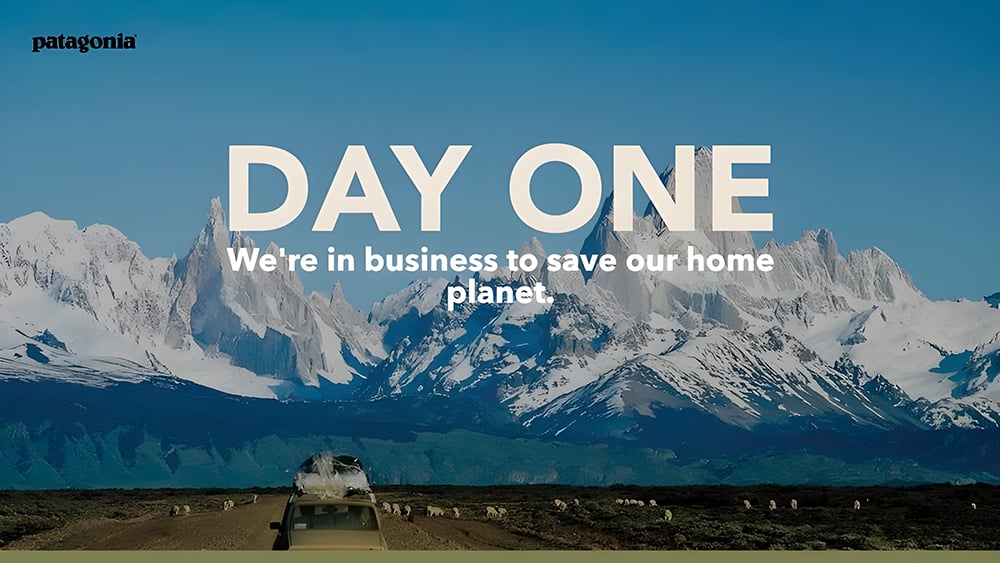
The first step to hosting a truly green event is choosing the right destination and venue. Look for locations that minimize long-haul travel for most attendees, and prioritize venues with strong sustainability credentials such as energy-efficient infrastructure, robust recycling and composting, and transparent environmental policies. Ask venues about renewable energy use, waste diversion rates, and water-saving initiatives. A venue that already operates sustainably gives you a powerful foundation and reduces the work you need to do later. This also signals to your attendees that you are serious about sustainable event planning, not just using it as a marketing phrase.

Reduce Waste Through Smarter Event Design
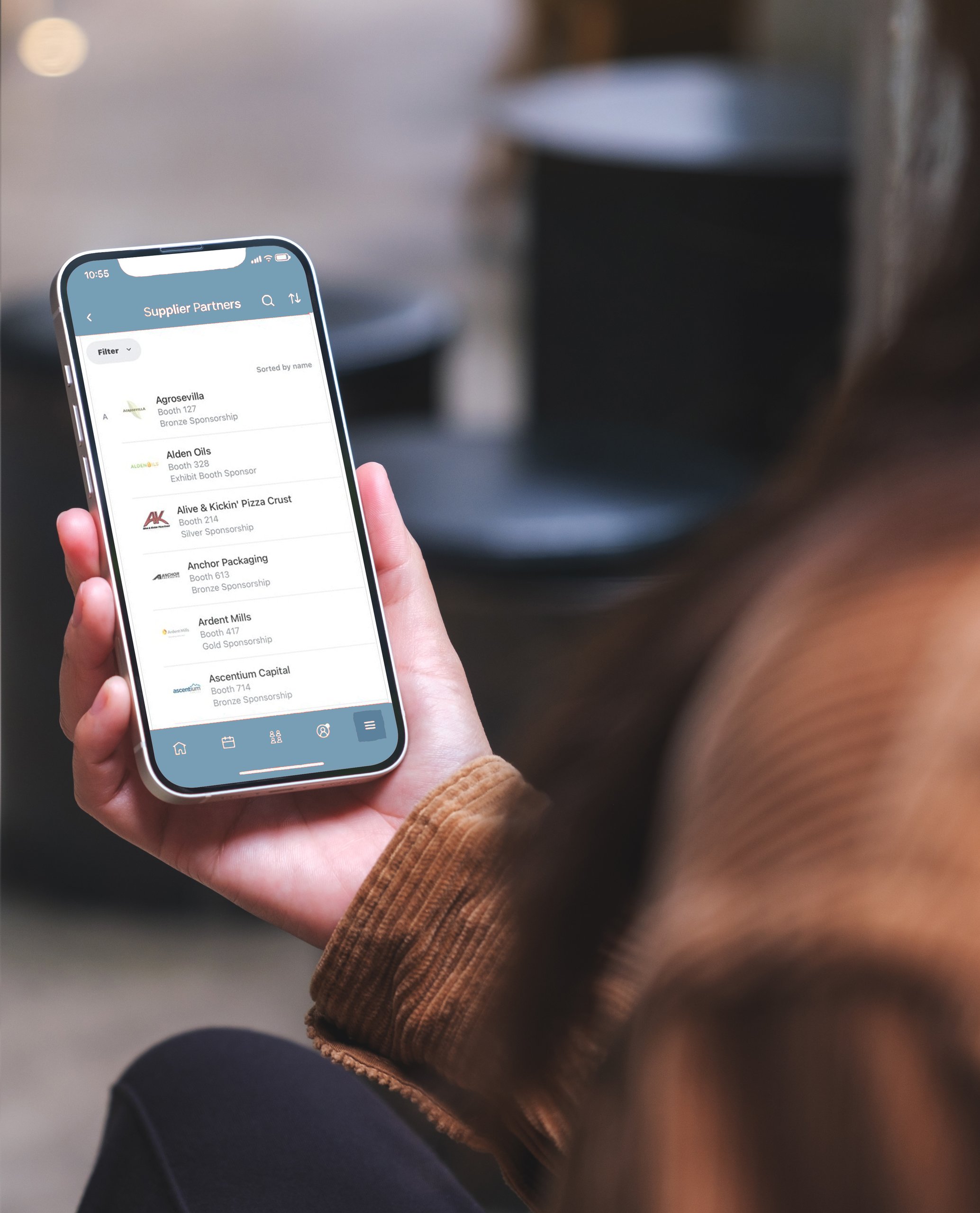
Event design is another major lever for sustainability in 2026. Focus on reducing single-use materials by using digital agendas, QR codes, and event apps instead of printed programs and handouts.
Choose modular, reusable scenic elements and décor that can be repurposed across multiple events, and prioritize rental items over custom builds that end up in a landfill. Eliminate single-use plastics by offering refillable water stations and reusable serviceware.
Small choices—like lanyards made from recycled materials or signage printed on recyclable substrates—add up quickly. Together, these decisions help reduce waste and align your brand with eco-friendly event practices.
Make Food and Beverage Part of Your Sustainability Strategy
Food and beverage are where attendees most clearly feel your sustainability commitments. Design menus that are plant-forward, seasonal, and locally sourced to reduce emissions and support nearby farmers and producers. Use registration data and session RSVPs to right-size portions and cut down on food waste. Partner with caterers who can donate safe surplus food and compost organic waste whenever possible. At the same time, communicate these choices clearly with menu labeling and brief on-site messaging so guests understand how their meal choices support a sustainable event. This turns every meal into an opportunity to reinforce your green event strategy.
Use Technology and Data to Measure Event Impact
To tie everything together, use technology and clear communication to support both your sustainability goals and your SEO performance. On the content side, naturally include phrases like “sustainable events,” “green event planning,” “eco-friendly corporate events,” and “how to host truly green events in 2026” in your headings and body copy. Structure your blog with clear subheads, short paragraphs, and scannable lists so busy planners can quickly find what they need. During and after your event, collect data on travel, waste, energy, and participation so you can share a simple impact summary. When you combine thoughtful design, measurable results, and search-optimized content, you position your brand as a leader in sustainable event planning for 2026 and beyond.