AI is changing how events connect with people—shifting experiences from one-size-fits-all agendas to moments that feel intentionally built for each attendee.
The Data Behind Smarter Event Experiences
FAST FACTS
📊 71% of consumers expect personalized interactions from the companies they engage with.
🎯 80% of attendees say personalized experiences make them more likely to engage with event content.
🤖 AI-powered recommendations can increase session attendance by up to 20–30%.
🔁 Personalized follow-ups can drive 2–3× higher post-event conversion rates compared to generic messaging.
💬 Chatbots and virtual assistants can handle up to 70% of routine attendee questions, reducing staff workload.
Why AI Personalization Matters
AI has finally caught up with what attendees actually want from events: experiences that feel tailored to them, without planners having to rebuild everything from scratch. Modern event tech and predictive analytics can watch what people click, register for, and spend time on, then quietly adjust what they see across the event lifecycle. Instead of broad segments like “marketing” or “leadership,” you end up with clusters of people who behave similarly and can be guided to more relevant content, connections, and calls to action.
What AI Personalization Looks Like in Practice
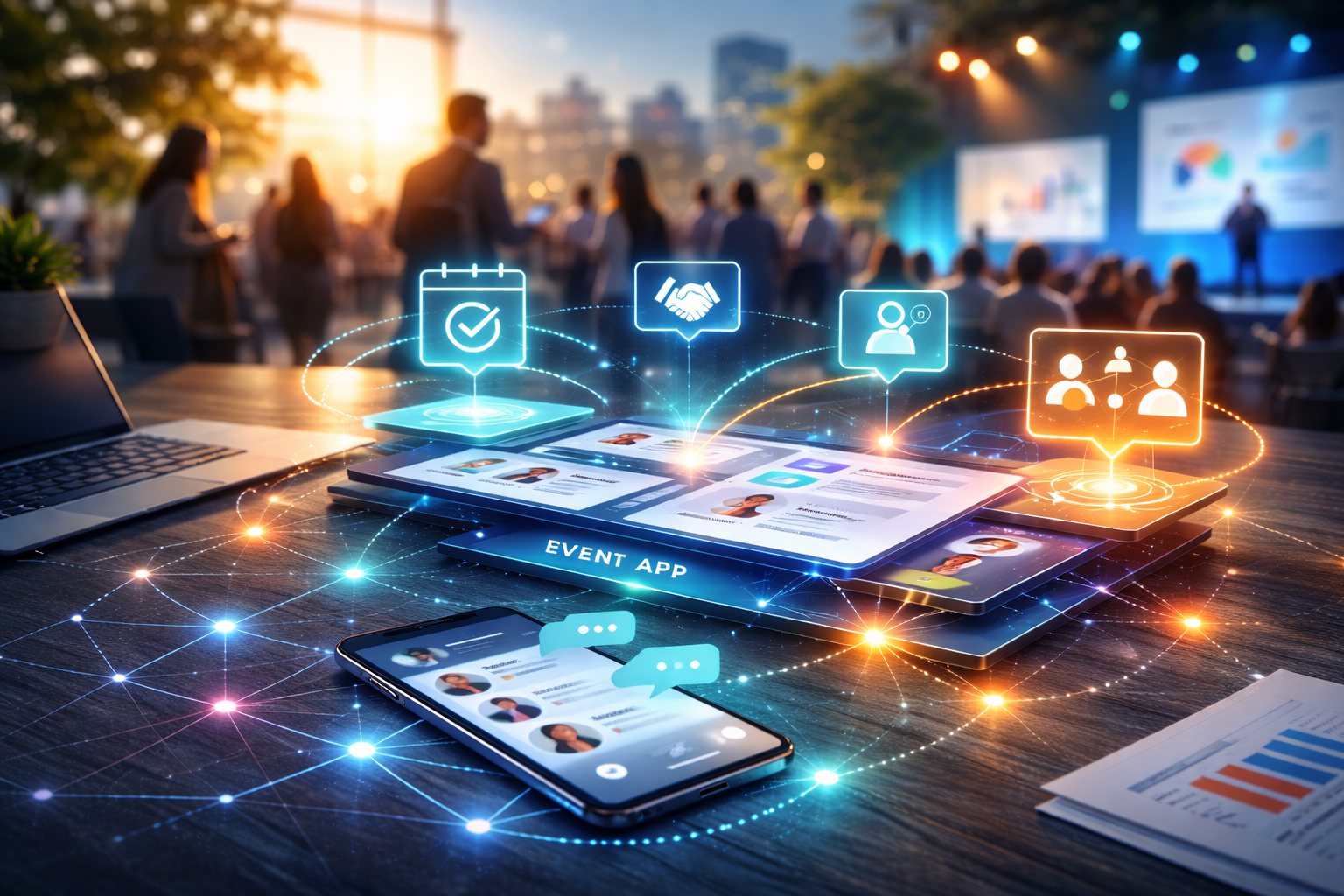
In practice, AI‑driven personalization shows up as smarter recommendations, not sci‑fi. Event apps can suggest sessions, exhibitors, or networking matches based on a person’s interests and behavior, rather than a static agenda. Chatbots and virtual concierges can answer basic questions and nudge attendees toward the next best thing to do—join a breakout, book a meeting, or watch a replay they are statistically likely to care about. Predictive models can even forecast which sessions will overflow and where engagement is likely to drop off, giving planners a chance to adjust formats, room sizes, or content before it is too late.
How to Add AI Without Breaking Your Workflow
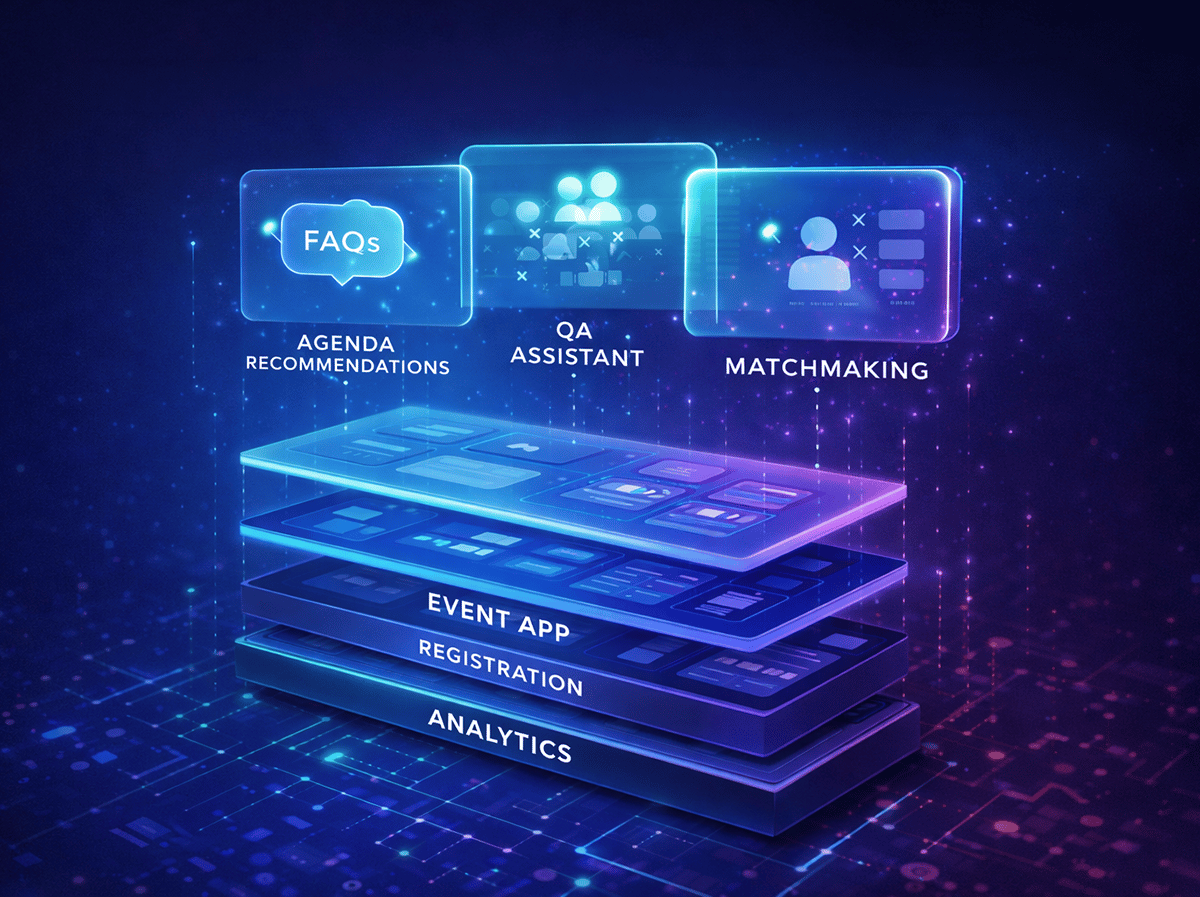
The trick is adopting this in a way that does not overcomplicate workflows. Instead of overhauling your entire tech stack, start with one or two high‑impact use cases: agenda recommendations in your existing app, or a simple AI assistant that handles FAQs and directions. Use the data you are already collecting—registration fields, session scans, polling, and in‑app activity—rather than inventing new forms and processes. As you see what works, you can layer in more advanced capabilities like matchmaking, predictive capacity planning, and tailored post‑event follow‑ups.
Keeping AI Invisible but Intentional
Most importantly, keep AI invisible to attendees and well‑governed for your internal team. Attendees do not need to know that a recommendation was generated by an algorithm; they just need to feel like the event “gets” them. Behind the scenes, you should be explicit about what is automated, what stays human, and what rules the AI must follow, so you maintain brand, compliance, and experience standards. Done right, AI personalization is less about adding complexity and more about quietly removing friction—for you and every person walking through your event.